
Logistics Services - Airmount Logistics

Airmount-1.jpg

Technology has brought a revolutionary change to the transportation sector. Technological innovations, from the wheel to self-driving vehicles, have continuously changed how people and goods travel worldwide. Impact of Technology on Transportation, improving efficiency, safety, accessibility, and environmental sustainability.

Historical Context: Evolution of Transportation

Transportation technology has changed a lot over time. Early people used animal carts and boats powered by wind or oars. The steam engine, invented in the 18th century, started a new era of faster rail and sea travel. In the 20th century, the internal combustion engine powered cars and airplanes, making long-distance travel easier. In the 21st century, digital technology has brought new innovations like GPS, ride-sharing apps, and electric vehicles. These technologies have changed mobility, making it more efficient and connected.

Technological Innovations in Transportation

Autonomous Vehicles : Self-driving cars and trucks are major advancements in transportation. They use sensors, cameras, and AI to drive without humans. Autonomous vehicles offer many benefits, such as:

Reduced Traffic Accidents: By eliminating human error, which accounts for the majority of accidents.

Increased Accessibility: Enabling individuals with disabilities or the elderly to travel independently.

Enhanced Productivity: Allowing passengers to focus on other tasks during commutes.

Electric and Hybrid Vehicles : The shift from internal combustion engines to electric and hybrid models is driven by the need for sustainable transportation. Improvements in battery technology have increased the range of electric vehicles, making them a practical alternative to traditional cars. Governments and companies around the world are investing heavily in EV infrastructure, like charging stations, to support this change.

Ride-Sharing and Mobility Apps : Apps like Uber, Lyft, and Grab have changed how people travel in cities. Using GPS and smartphones, these platforms connect passengers with drivers, making travel easier and more affordable. They also help reduce the number of private vehicles on the road, which can lower traffic and emissions.

Hyperloop Technology : Proposed by companies like Virgin Hyperloop and Elon Musk’s SpaceX, the hyperloop system aims to transport passengers and cargo at speeds exceeding 600 miles per hour through vacuum-sealed tubes. Although still in testing, this technology could greatly reduce travel times and change how cities are connected.

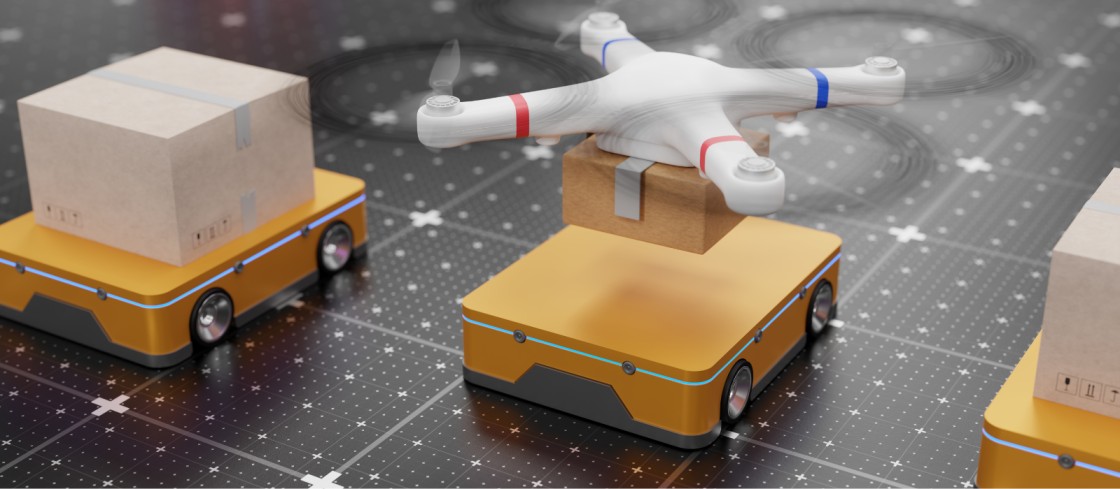
Drones in Transportation : Drones are becoming more popular for last-mile deliveries. Companies like Amazon and UPS are testing drone systems to cut delivery times and costs. Drones are also used in traffic management and emergency response, showing their flexibility in transportation.

The Role of Artificial Intelligence and Big Data

AI and big data play a critical role in optimizing transportation systems. Some applications include:

Predictive Maintenance: AI algorithms use data from sensors in vehicles and infrastructure to predict and prevent mechanical problems.

Traffic Management: GPS devices and traffic cameras provide real-time data to manage congestion and improve traffic flow.

Personalized Travel Experiences: AI-powered apps give personalized recommendations for routes, transport options, and travel times based on user preferences.

Environmental Impact

Technology in transportation has a dual role in addressing environmental challenges:

Reducing Carbon Emissions: Electric vehicles and public transport powered by renewable energy greatly reduce greenhouse gas emissions.

Efficient Fuel Consumption: AI-driven systems help vehicles run at their best fuel efficiency.

However, challenges remain, such as the environmental cost of manufacturing EV batteries and the disposal of electronic waste.

Challenges in Technological Integration

Despite its many benefits, integrating technology into transportation presents challenges:

Infrastructure Costs: Upgrading infrastructure to support new technologies, like EV charging stations or hyperloop systems, needs a lot of investment.

Cybersecurity Risks: As transportation systems become more connected, they are more at risk of cyberattacks.

Equity and Accessibility: Making sure technological advancements are available to everyone, including low-income communities and rural areas, is an important issue.

Future Trends

Smart Cities : Smart cities use technology in transportation to create smooth and efficient systems. Features include:

Self-driving buses and trains.

Smart traffic lights that adjust to traffic conditions.

Combined ticketing systems for different transport options

Space Travel : Rocket technology advancements by companies like SpaceX and Blue Origin are opening the door for commercial space travel. Although still in its early stages, this sector could lead to new opportunities for human exploration and travel between planets.

Sustainable Innovations : The focus on sustainability will lead to innovations like hydrogen-powered vehicles, better battery recycling technologies, and biofuels.

Conclusion

Technology has had a clear impact on transportation. It has changed not only how we travel but also how we view distance, connectivity, and accessibility. As technology keeps evolving, it will play a key role in shaping the future of mobility. While challenges like cost and fairness remain, the potential benefits—such as better safety and environmental sustainability—highlight the need for ongoing innovation in this area. Transportation, once just a way to travel, is now a changing system driven by technology. Looking ahead, the combination of technology and transportation promises a more connected, efficient, and sustainable world.


Airmoun-1200x525.webp

A warehouse is an essential part of a business’s supply chain and logistics. Warehouses safely store all types of goods, including raw materials, semi-finished, and finished products. They keep inventory organized, making it easy to access and manage efficiently. These Top 10 Transportation issues in Warehousing are:

Warehousing keeps extra stock to ensure a steady supply of goods, even when demand or production changes. Storing goods in bulk at warehouses helps businesses save on transportation costs by combining shipments and improving delivery routes. It also prevents losses from running out of stock or producing too much.

Warehouses located near customers or markets reduce delivery times, making customers happier. They also allow for faster order fulfillment and easier returns. Warehouses store goods closer to customers or markets, which helps shorten delivery times and improve customer satisfaction. They also make it easier to quickly fulfill orders and process returns.

For businesses with seasonal demand , warehouses store goods made earlier to easily meet high demand during peak times. Warehouses keep goods safe from theft, damage, and bad weather by using proper storage and handling methods. Many also offer insurance to cover possible losses.

It often performs additional services like sorting, packaging, labeling, and quality checks, enhancing the value of goods before delivery.

Warehouses in key locations help businesses reach new markets by making sure products are delivered on time and available when needed. Storing raw materials in warehouses helps keep production running smoothly without delays caused by shortages. Warehouses follow legal and safety rules to make sure specialized goods, like medicines or perishable items, are stored properly.

A warehouse manager, whether for a public, private, or contract warehouse, oversees a busy environment. They must keep track of the continuous movement of merchandise in and out of the warehouse. Many things can go wrong and cause expensive delays or problems. Transportation issues in a warehouse can include trucks with flat tires, lost shipments, or traffic jams on nearby highways.

TRANSPORTATION COST

In Research it was found that Transportation costs were the top concern for warehouse operators surveyed. Transportation costs that affect a Warehouse include maintenance and insurance for the facility and equipment, labour cost, to receive and handle shipments, and the increasing cost of fuel.

TRANSPORTATION DELAYS

Shipment delays are a big transportation problem for warehouses and can happen for many reasons. A traffic jam on a nearby highway can hold up shipments for hours, and long-term construction may require using alternate routes causing further delays.

Poor scheduling of shipments in and out of the warehouse can cause delays and expensive problems. If a truck breaks down or gets into an accident, it must be towed, and its cargo needs to be reloaded and delivered again.

TRACKING AND COMMUNICATION

A good tracking and communication system is essential to make sure all parts of a warehouse work smoothly together. When communication with trucking is bad, it’s hard for a warehouse manager to schedule shipments correctly.

If shipment tracking is bad, time-sensitive items like plants or food might get lost in the warehouse and only be found days or weeks later, when their value is reduced or completely gone. Poor shipment tracking can also lead to inventory staying in the warehouse longer than necessary, which can result in a loss of profit.

WAREHOUSE SAFETY

Warehouse workers who load and unload truck shipments are always at risk of getting injured. The United States Occupational Safety and Health Administration reports that warehouse workers have a higher fatal injury rate than the national average for all jobs.

Forklift safety, especially on loading docks, is a big concern for warehouse managers. Fire prevention, employee training, and correct shipment handling are also crucial, especially if the warehouse stores and ships dangerous materials.

VEHICLES BREAKDOWN

When vehicles break down, deliveries are delayed. If a truck breaks down or has an accident it needs to be towed and the cargo must be moved to another truck before it can be delivered. This not only causes delays but also increases costs and affects the overall efficiency of warehouse operations.

LABOR SHORTAGES

Labor shortages can disrupt warehouse operations by making it slower to load, unload, and handle shipments. When there are fewer workers, tasks take more time, causing delays in processing and shipping. This can affect overall efficiency and lead to higher costs for the warehouse.

INEFFICIENT ROUTING

Inefficient routing can cause longer delivery times and higher costs. Poor route planning wastes fuel and time, which reduces warehouse efficiency and increases expenses. Inefficient routes can cause extra miles to be driven, using more fuel and costing more money.

POOR COMMUNICATION

Poor communication can cause mistakes in shipment schedules and delays. If warehouse managers don’t receive accurate or timely information from trucking companies, it creates problems, it becomes difficult to plan deliveries properly, causing confusion and inefficiency in the warehouse.

When suppliers get incorrect demand information, they may produce and store more than needed. This leads to higher costs for storing and managing extra inventory. When too many products arrive and inventory isn’t moving, it becomes hard to store everything properly.

RISING FUEL COST

Rising fuel costs are a big challenge for warehouses because they increase transportation expenses. As fuel prices go up, the cost of shipping goods also rise, making overall warehouse operations more expensive.

This impacts everything from delivery routes to the cost of goods and services at the warehouse. To stay profitable warehouses may need to change their pricing or find ways to improve transportation, like better route planning or using fuel-efficient vehicles.

Higher fuel costs can cause delivery delays, as rising expenses might lead businesses to cut back on shipments or slow down delivery schedules. Sometimes, warehouse managers may need to pass these higher costs on to customers which could affect customer satisfaction and the warehouse’s competitive edge. As fuel prices keep changing, managing these rising costs is key to keeping warehouse operations efficient and profitable.

REGULATORY CHANGES

Regulatory changes in warehousing can greatly affect operations, making it necessary for warehouses to adjust quickly to stay compliant . These changes could include new transportation rules, safety laws or environmental standards that impact how goods are stored, handled, or shipped. For example, stricter emissions rules might require warehouses to use cleaner, more fuel-efficient vehicles, which can raise operational costs.

Also, changes in labor laws could impact staffing or require extra training for workers to follow new safety rules. Adapting to these changes often means investing in new technology, equipment, or training, which can disrupt daily operations and raise costs.

Also, warehouse must keep up with local, state, and federal rules to avoid fines or legal problems. While following regulations is important for safety and sustainability, it can be challenging in terms of cost, time, and resources. This makes it important for warehouses to stay informed and plan ahead.


  • Email: info@airmountlogistics.com
  • Phone: +91 - 8059111722
  • Phone: +91 - 8887632132
  • Phone: +91 - 9971779850
  • Address: Plot No-201, Bamnoli, Sec-28, Dwarka, New Delhi-110077